A toothache can make everyday activities like eating, drinking, and sleeping uncomfortable. Sometimes, a tooth can be treated with a filling, crown, or root canal. But if the damage is too severe to repair, your dentist may recommend removing it. This procedure is called a tooth extraction. Understanding how teeth are removed can help you feel more prepared if you need this treatment.
Why Might a Tooth Need to Be Removed?
A dentist may recommend removing a tooth if it is badly decayed, broken, or damaged by gum disease. Sometimes, the tooth cannot be saved with a filling or root canal.
Wisdom teeth that do not have enough room to grow properly may also need to be removed.
What Happens During a Tooth Extraction?
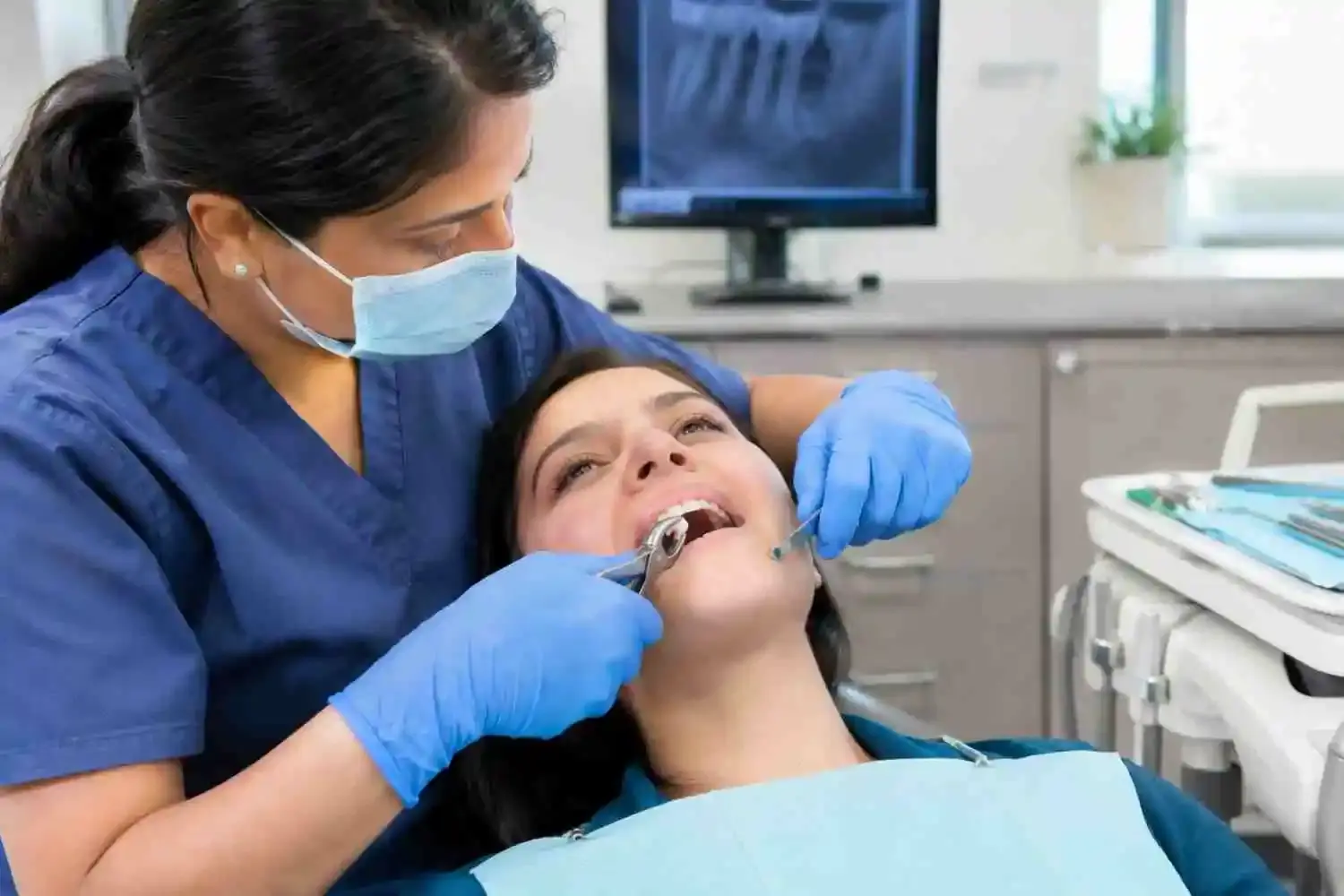
First, the dentist checks your tooth and may take an X-ray to understand its condition.
The area is numbed with local anesthesia to help you stay comfortable. The dentist then gently loosens the tooth and removes it. If the tooth is broken or stuck under the gum, a minor surgical procedure may be needed.
Does Tooth Extraction Hurt?
Feeling nervous before a tooth extraction is completely understandable. The dentist numbs the area before starting, so you may feel pressure, but sharp pain should be addressed right away.
Afterward, you might notice some soreness or swelling as the area heals. Your dentist will explain how to care for your mouth and what to expect during recovery.
How Should You Care for Your Mouth After Extraction?
The first few days are important for healing. Your dentist will provide instructions based on your procedure, but these general steps may help:
Keep the gauze in place as directed: Gentle, steady pressure helps control bleeding and allows a blood clot to form.
Choose soft foods: Yogurt, mashed potatoes, and other easy-to-eat foods can be more comfortable while the area heals.
Protect the blood clot: Avoid straws, forceful spitting, vigorous rinsing, and smoking during the initial healing period.
Clean your mouth carefully: Continue your oral hygiene routine as instructed, taking care around the extraction site.
Contact your dentist if bleeding does not stop, pain becomes worse rather than better, or you develop significant swelling or a fever.
Tooth Extraction in Edmonds, WA
If you have a damaged or painful tooth, an examination can help determine whether it can be saved or needs to be removed. At Edmonds Bay Dental, Dr. Meenakshi Tomar, DDS, can evaluate your tooth and discuss appropriate treatment options based on your dental needs.
Patients looking for a dentist in Edmonds, WA, can visit Edmonds Bay Dental at 51 W Dayton Street, Suite 301, Edmonds, WA 98020. If you live in nearby Lynnwood, Mountlake Terrace, or Shoreline, you can contact the office to ask about scheduling a dental evaluation.
Have questions about tooth extraction? Call Edmonds Bay Dental at 425-775-5162 to discuss your concerns and arrange an appointment.